
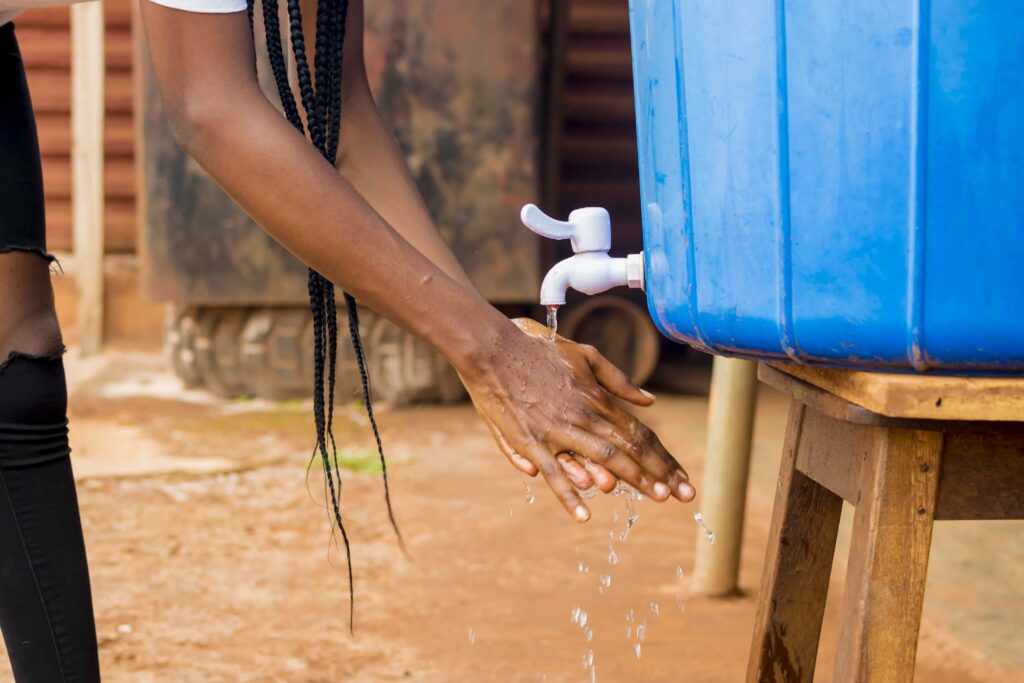
The Ebola outbreak in West Africa from 2014 to 2015 showed how important it is to have clean water, good sanitation, and good hygiene (WASH) in both cities and rural areas. Millions of people in Guinea, Liberia, and Sierra Leone didn’t have access to clean water, good sanitation, or good hygiene services. Hospitals had a hard time, people were afraid of getting sick, and governments tried to act quickly. Learning about the effects of WASH can help us get ready for future epidemics and problems in cities.
Problems with WASH Before Ebola
WASH systems were not very good. Water supply is often not reliable. A lot of homes didn’t have running water. Limited sanitation services. Toilets are shared or not. Not very aware of hygiene. These weaknesses became dangerous when the virus spread. People couldn’t wash their hands often because they didn’t have enough water to do so. Hospitals didn’t have enough soap or running water. Clinics and treatment centers were too busy.
A lot of people in the area relied on informal water points. There weren’t enough handwashing stations, or they were put in too late. There wasn’t enough drainage in crowded neighborhoods, so trash piled up on the streets. Basic hygiene measures couldn’t keep up, so the disease spread faster. People in communities were afraid of getting sick, but they didn’t have any good options.
Some of the main problems with WASH were:
- Not enough clean water for homes and clinics.
- Bad sanitation and toilets that aren’t up to code.
- Not enough places to wash up and supplies.
How communities change and do things
People tried to change their communities, even though it was hard. Families got water from wells, boiled it, or collected rainwater. People in the area made places to wash their hands or cleaned the streets. People could sometimes learn about hygiene at schools and churches. People learned how viruses spread and tried to do what they were told.
It took a long time for people to change how they acted. Some old customs, like washing dead bodies before burying them, stayed around and made things more dangerous. People spread false information. People kept sick family members hidden because they were afraid of treatment centers. People in communities had to find a way to balance safety, culture and staying alive. Part of adapting to the community was collecting and treating water at home. Cleaning the streets and making sure people have places to wash their hands. Following hygiene rules when you can.
Stress on the Health System
Hospitals and clinics were under a lot of stress. It was hard to control infections because of WASH issues. The staff didn’t have running water, disinfectants, or personal protective gear. Health workers and patients were at greater risk because of dirty waste and not enough toilets. Some areas had to close their health facilities. People with Ebola couldn’t get the right care for themselves or other illnesses.
International organizations tried to help. Mobile handwashing stations, water delivery, and sanitation teams were sent to hospitals. But the need was huge. The response was hard because the infrastructure was weak, there weren’t enough supplies, and there weren’t enough staff.
Problems with the health system included:
- clinics not having clean water or bathrooms.
- Waste that is dirty and not clean enough.
- Not enough staff and not enough safety gear.
Working together and helping people in need
Coordination was needed for an effective WASH response. The UN, governments, and NGOs had to work together. It took planning to get clean water,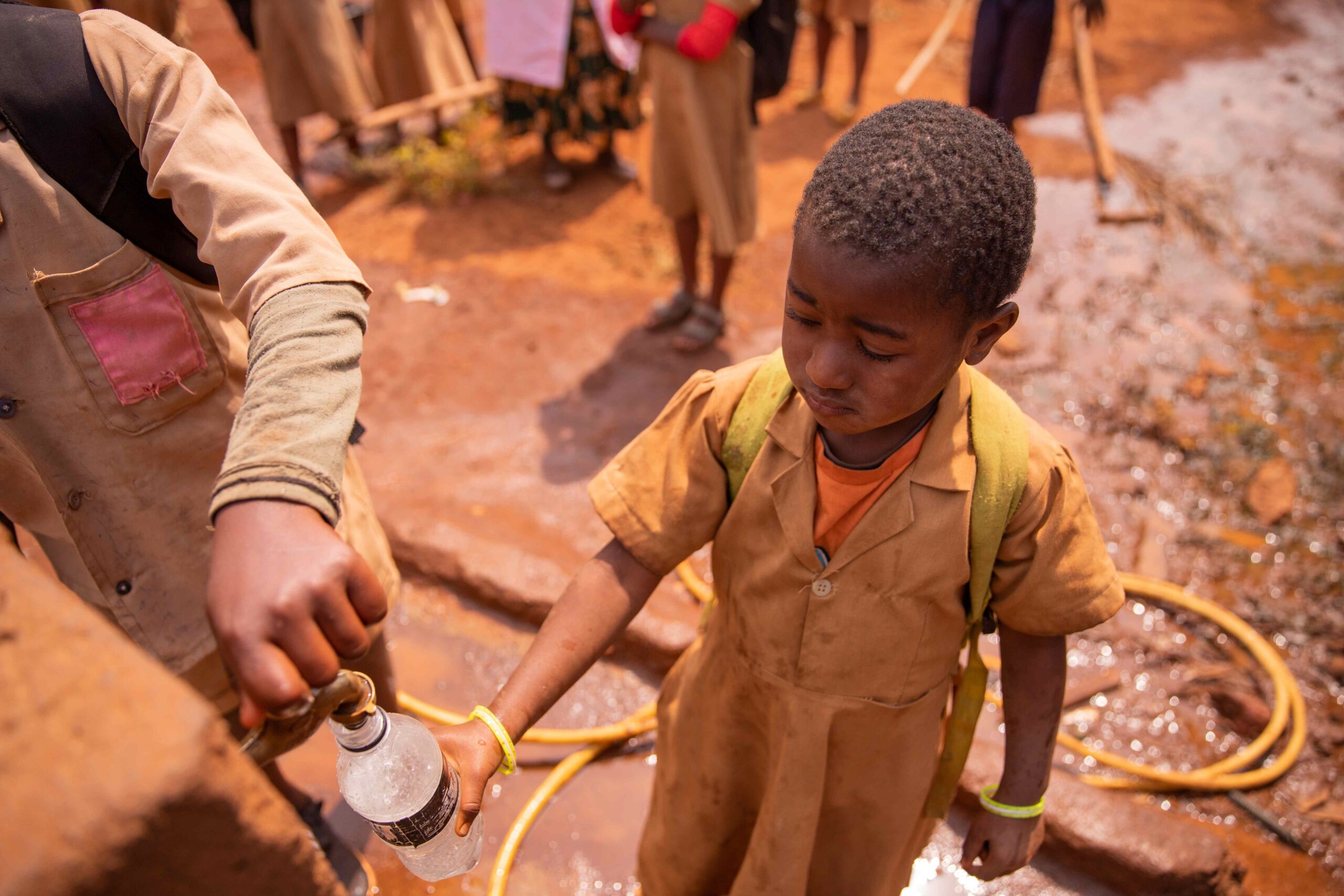 build toilets, train staff, and teach communities. Coordination can be weak at times. Some agencies did the same work twice, while others missed it. Urban slums are especially hard because of the crowded housing and lack of formal systems.
It was important to observe, give feedback, and make changes. Teams had to figure out what worked, fix problems, and talk to the people in their communities. Without coordination, efforts were not effective and could have wasted resources.
Some ways to coordinate were:
- Making a plan for needs and resources before taking action.
- Agencies sharing information.
- Keeping an eye on and changing interventions.
What We Can Learn for Future Strength
WASH is very important for responding to epidemics, as shown by Ebola. Hygiene, clean water, and safe sanitation save lives. Infrastructure investment, campaigns to change people’s behavior, and getting people involved in their communities must all be part of planning for cities and towns. Resilient systems lessen the effects of future crises.
Communities need help and trust from people in their area. Solutions from the top down aren’t enough. It is important to get community leaders involved, teach hygiene, and provide useful facilities. Cities and neighborhoods are safer when both formal and informal WASH systems are stronger.
To be resilient, you should invest in clean water, sanitation, and hygiene facilities. Help with changing behavior and getting people involved in their communities. Working together between the government, NGOs, and groups in the area.