
Syrian refugees in Lebanon live through long years of uncertainty about their future. They search for work and stability but face barriers that touch every part of urban life. This article looks at how policies promised to support them and how those promises worked in practice.
Refugees in Lebanon–Numbers and Context
Lebanon has very many Syrian refugees. This number changes the country a lot. Many people come because of the war in Syria. Lebanon is near Syria; many families know the same culture. By 2014, Lebanon had more refugees per person than the whole world. Cities and small towns feel heavy.
Life is not easy. The Lebanese state was weak before the war. Electricity is a small problem, hospitals are busy, and politics are not strong. One million refugees come. The system is very stressed. Families from Syria leave villages and come to the city. They look at work, school, and home safe. But rules make it hard.
Refugees do not go to the same place. Some places, like Bekaa Valley, have many refugees. Other places have a small number. Services under pressure. Local leaders feel the problem. The central government makes rules but changes often. Refugees are confused.
A long time in Lebanon also changed local people’s lives. Rent goes up. Jobs in the informal market grow, but the money is small. Aid from helpful people, but not enough. Many problems overlap. Show that refugees are not a temporary problem; they change the country’s structure.
Main facts:
- The refugee population grows by more than one million fast.
- Most live in urban and semi–urban areas with poor infrastructure.
- Distribution uneven; some regions have many people.
Work Rights and Legal Barriers
Work is very important. Without work, family has no food, no house, and no doctor. Syrian refugees who come to Lebanon hope to work. But many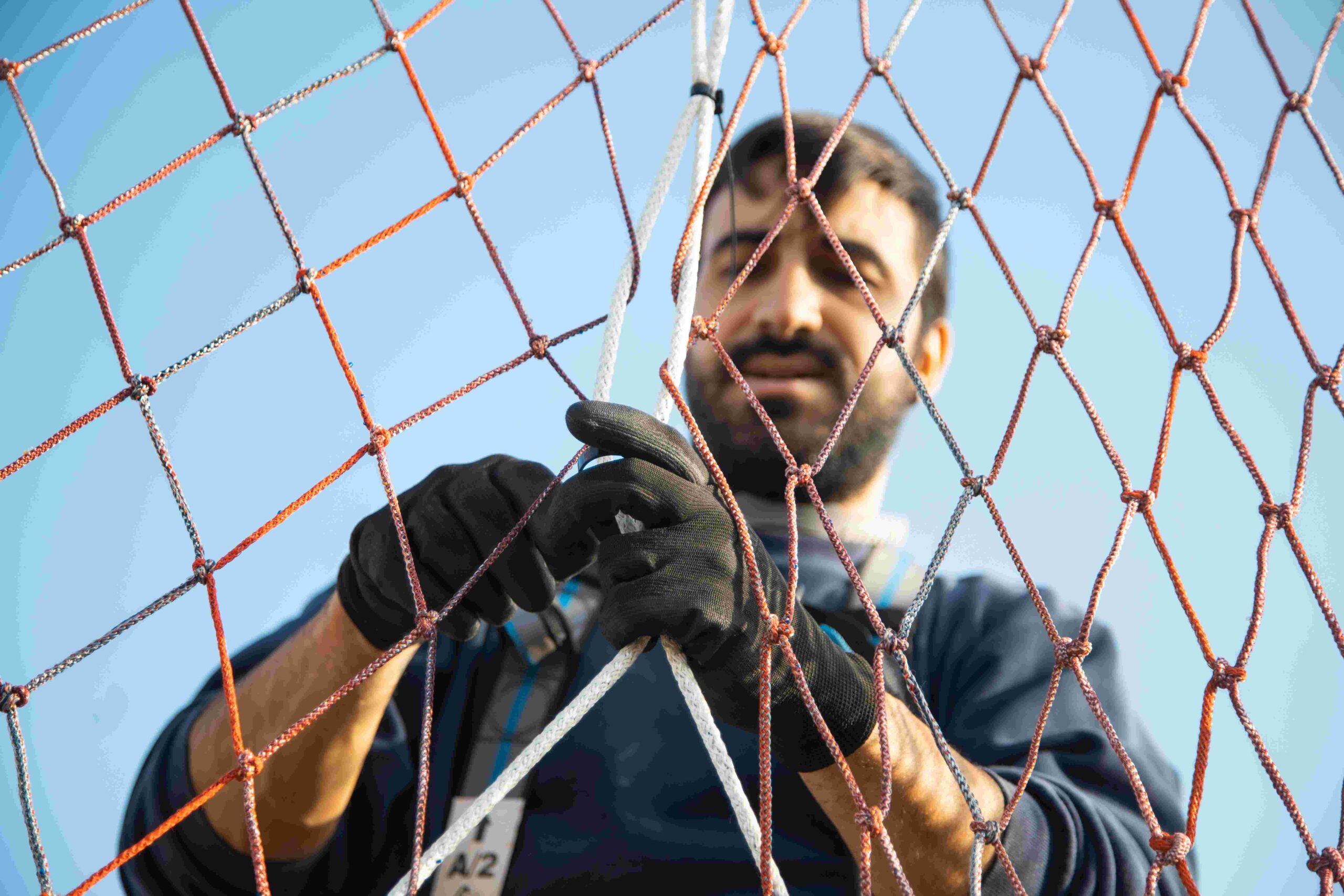 rules block them. The government makes work permits, but only a few jobs are allowed. Most refugees cannot work the same skills or education.
Rules allow work in construction, agriculture, and cleaning. Jobs pay little, no security. Refugees who are teachers, engineers, or doctors cannot continue their careers. People feel frustrated. Human potential lost. Some work is informal but has big risks: exploitation, firing from the job, and unsafe work.
Also, the permit cost is big. Pay money for papers, but income is small. Family chooses food or document. Some never get permits. Some get short permits that expire fast. Then must start again. Refugees are always near illegal work, which is not safe.
The government says the rules are for protecting Lebanese workers. Free work for refugees makes citizens lose jobs. People agree because of the crisis economy. So rules become stricter. Refugee rights are in international agreement, but country rules block them.
Key issues:
- Permits only low–wage, unsafe jobs.
- Cost of application is high for poor families.
- Informal work grows, no safety, no law protection.
Policy Commitments and International Pressure
International donors see problems in refugee work. They want Lebanon to help with refugee work. Over ten years, many conferences in London, Brussels, and Europe. Governments say, “Give money to Lebanon.” Lebanon says yes, we improve refugee labor rights. But in practice, little change.
The London conference 2016 is big. Promised billions for school, health, and jobs. Lebanon says to create jobs for Syrians and poor Lebanese. But slow action. Bureaucracy, politics, and weak institutions block. Refugees still cannot work in many professions.
The Brussels meeting was the same story. Donors say reform, Lebanese leaders balance foreign pressure and their own people. Lebanese people worry jobs for refugees take their own work. Economic crises make fear more. So promise on paper, but real life not change.
Some small projects start. International agencies fund small jobs in agriculture and community work. Helps family survive, but not the full work market. The gap between promise and result grows. Refugees learn: policy words do not change life.
Main elements:
- Conferences promise billions of dollars.
- Lebanon agrees to improve labor rights for support.
- Implementation is small, slow, and mostly paper only.
Urban Impact and Resilience
The arrival of Syrian refugees changes the city of Lebanon. Neighborhoods grow fast. Families look for cheap homes, many in crowded places. Services under pressure: water, electricity, waste, and transport. Cities not planned, system very stressed.
The housing problem is big. Rent rises fast. Refugees cannot pay for a normal apartment and live in unfinished buildings, garages, or temporary shelters. Place no safety, no sanitation, no law. The whole neighborhood becomes a weak zone. Refugees and poor Lebanese live together. Competition for resources, but sometimes help each other.
Local services overload. Electricity cut more, water less. Municipality money is small and cannot fix all. International organizations come and make projects to improve the city, but they are short–term only. Showing urban resilience needs not only aid but also strong structure, a plan, and money investment.
Cities also center help. NGOs open offices, teach, and give aid. Help survival, but cannot make a full solution. Refugees still cannot work and need aid. Dependence on help weakens both the refugee and the city, because aid is not forever.
Urban effects:
- Rent rises, informal settlements grow.
- Electricity, water, and waste system overload.
- People depend more on aid and less on sustainable income.
Looking Ahead
Ten years of promises bring little result. Refugees in Lebanon are still weak. Work access is a very important bridge between aid and dignity. But rules and barriers stay strong.
The future depends on how Lebanon and the international community agree. They need a solution that lasts a long time. Urban resilience cannot grow without work opportunities for everyone. Refugees need legal work, money, and stability. Cities need plans, money, and investment. If not, the problem stays.
People hope, but life is still hard. Families try to survive, children go to school, and adults look for jobs. But rules block many. Aid helps for a short time only.