
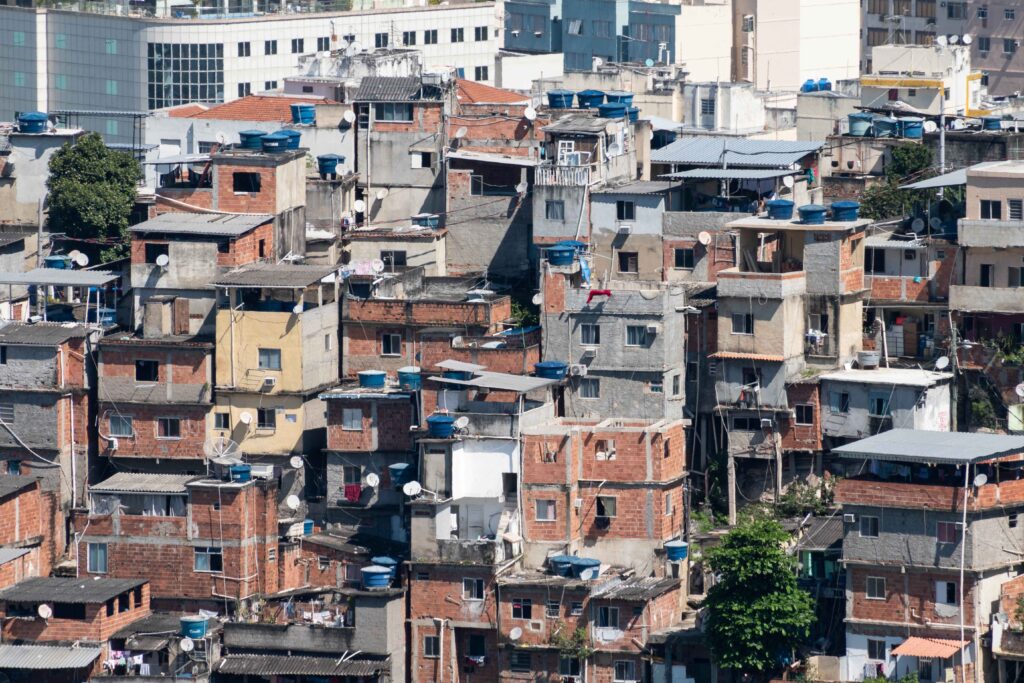
Cities are more than streets and buildings. They are systems of people, services, infrastructure, and rules that interact in many ways. When crises like epidemics, conflicts, or disasters come, cities react fast and sometimes in unexpected ways. To help and plan better, humanitarian actors need to understand how cities work. This article looks at cities as systems, showing why thinking broad and long-term is needed.
Cities as Complex Systems
Cities are not only streets and buildings. Many parts work together. People, services, infrastructure, and rules all connect in many ways. When problems happen, like sickness, war, or disaster, cities react fast and sometimes strangely. Humanitarian people need to understand the system of the city. Thinking big and long is very important.
Parts of the city are connected. One part breaks, and the other part feels the problem. Water system break, people sick more, hospitals need more medicine, market sell less food. Traffic jam, ambulance cannot go, people get sick. Many people move fast, the streets are full, and small problems become big problems.
People’s habits are part of the system. Use street, work, trade, and go to school. Culture and rules change action. Rule change, people react differently, system not stable. NGOs and the government try to fix one problem, but it’s not enough. Build only a hospital; the water problem stays, and health is still bad. Understanding the whole system helps plan better.
Cities have formal and informal parts. Formal includes government offices, big hospitals, and electricity plants. Informal includes street shops, small buses, and neighborhood groups. Both parts are important in a crisis. Informal sometimes saves life when formal fails. Many parts fail, and chaos comes.
Other things that shape a city are economy, politics, and social networks. Jobs stop, people move, markets change, and crime grows. Informal economy help: street vendors sell food or medicine. Community rules guide people when government cannot act. Invisible networks are very important.
Important aspects of the city system:
- Infrastructure includes roads, water, electricity, and sewage.
- Social networks, community groups, informal economy
- Policies, rules, and culture guide action.
Urban Response During Crises
When crises happen, cities change very fast. People leave unsafe areas, shops close, hospitals are full, and streets are busy or empty. Street block,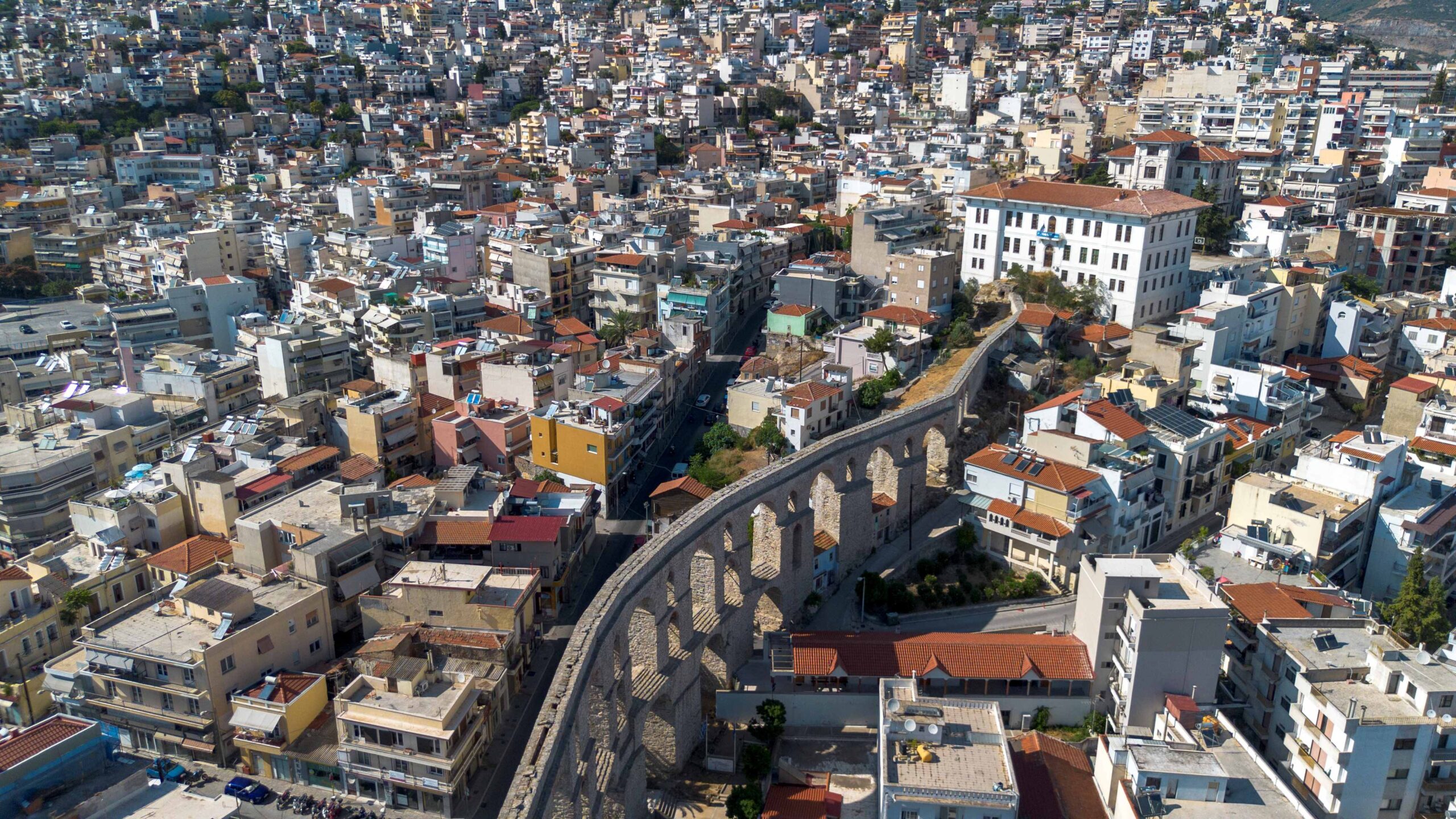 traffic stop, people cannot go to work or school. Authorities try to control movement, give aid, and stop sickness. Action sometimes makes new problems. Close the street and stop sickness, but also block food or water. People worry and panic; small problems become big very fast.
Coordination between government and organization is very important. NGOs, international agencies, and local authorities must talk and plan together. One brings water, another no food; problems grow. Often actors do not understand each other, messages mix, and actions fail. Observation key. Cities have many feedback loops. Small change in one part, big result in another place. Close the market, people lose jobs, have less money, and buy less food.
Humanitarian response in a city is more difficult than in a village. Population big, people move a lot, informal network, building full, street narrow. The plan must be flexible, fast, and smart. Must think of many layers at the same time. Health, safety, food, water, and communication all connect. One mistake in one sector, others feel the problem.
Communication with people is very important. People must know why rules exist, what help is coming, and how to stay safe. No communication, fear grows, and rumors grow. People resist rules, try to leave, and make the crisis worse. Trust between community and agency is critical.
Timing also matters. Late help, problem bigger. Early help stops disaster. Transport, medical, water, and aid must be quick. Observation, adaptation, and feedback loops help better.
Key elements of urban crisis response:
- Coordination between government and humanitarian organizations
- Understand people movement, the market, and infrastructure
- Change plan if new problems appear
Interdependence of Urban Services
Urban services depend on one another. Water systems need electricity for pumps. Hospitals need water, electricity, and roads to get medicine. Roads need to be fixed to allow food, fuel, and ambulances to move. One service fails, and the other service feels pressure and sometimes fails too. Planning only one sector is not enough. All systems must work together.
Informal systems are very important. Street vendors sell food and medicine. Local buses move people. Neighborhood groups share news and support families. Formal service fails; informal fills the gap. Many crises show informal life-saving. Ignore the informal system, respond slowly, and fail. Support informal systems, improve urban resilience, and reduce tension.
City systems have hidden links. Communication networks spread info about danger or help. Electricity cut, water pump, phone, traffic stop. A small failure in one service, and a big problem happens fast. Understanding all links helps plan better and prevent cascade problems.
Planning must see interdependence. Water fails, the clinic cannot work, people get sick, the market stops, and the road is full. A small mistake in one sector, and the whole city struggles. Humanitarian actors watch the system, check feedback, and adapt fast.
Examples of interdependent services:
- Water supply connects electricity and sanitation
- Roads link to market, school, hospital
- Communication networks affect emergency alerts and coordination.
Urban resilience needs to recognize these connections. Support formal and informal, coordinate agency, monitor service network help city survive crisis. Actors understand interdependence, act fast, reduce harm, and improve response.
Planning for Long-Term Urban Resilience
 Short-term fixes are not enough in the city. Crises come again and again. Humanitarian plans must think years ahead. Build strong infrastructure, train workers, support community, watch behavior, and help the city survive the next shock. Resilience means not only surviving today but also being ready for tomorrow.
Data collection and monitoring help plan. Know population, movement, service use, and plan better. Communities must be included. Top-down decisions without local input often fail. Balancing government plans and local knowledge is very important.
Resilience needs social trust. People follow rules if they understand the reason and believe the system helps. People are afraid or angry, and the crisis response is worse. The plan must include education, communication, and a support network.
Strategies for long-term resilience:
- Invest in infrastructure, public service
- Cooperate with local leaders and community groups
- Continuously monitor, learn, and adapt the plan
Cities survive crises better if actors watch all systems, support people, and coordinate well. Flexible plans, trust, and feedback help reduce harm and make urban life safer during crises.