
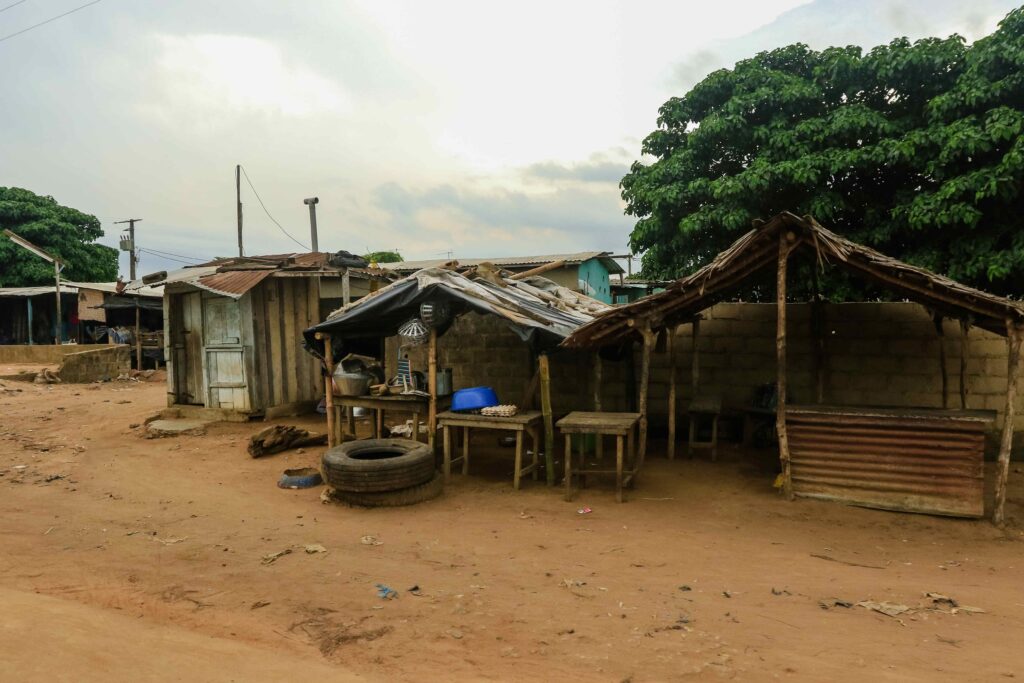
In August 2014 the government of Liberia made a very strong decision. Soldiers were sent to West Point, a slum in Monrovia, and they blocked all entrances. The goal was to stop the Ebola virus from spreading, but the action also created chaos and fear. This story tells about the lockdown, the people’s reaction, and what it means for cities in health crises.
Why West Point Was Closed
West Point is a very crowded place in Monrovia. Many people live close in small houses built fast without a plan. Streets narrow, water and electricity limited, sanitation weak. During the Ebola epidemic, many people get sick quickly. The government worries the virus can spread fast to the city. They decide to act fast and strong.
The army comes to the area. Barricades build around slum. Soldiers stand in streets, stopping movement in and out. The idea is if people stay inside, the virus cannot move outside. The plan does not include a clear system for food, water, or medical care. People inside feel fear. Families cannot go out. Shops closed, food small, water hard to find. Sick people have no place to go. Fear grows every day.
Closure reason:
- Area very crowded and unsafe
- Many Ebola cases appear fast
- The government wants to stop the virus spread.
- People inside need support, but the plan does not cover it.
Life inside the area changed fast. People trapped cannot work or buy food. The health system is weak, clinics are small, and medicine is few. Sick people cannot get care. Water short, food short. Families try to survive; fear and confusion are high. Children cannot go to school, and people cannot move freely. The situation creates stress and worry for everyone.
Life Inside the Sealed Slum
After closure, life inside is very hard. People cannot go outside. Shops closed, food small, water short. Health services are weak. Clinics are few, medicine is not enough, and staff is small. Sick people trapped. Families cannot get care. Fear and stress grow every day.
People try to manage daily life. Water and food are limited. Sick people wait for help. Families share resources and try to survive. With movement controlled by soldiers, people feel trapped. Panic and worry are high. Many people are weak, sick, and afraid. The situation creates tension and stress inside the community.
Problems inside:
- Short food and water
- Limited health care access
- High fear and confusion
- Families feel trapped
- Children cannot go to school.
- People stressed and worried
Life inside shows difficulty when epidemics come to crowded areas. Basic needs are not enough. People cannot move freely. The health system is weak, water is limited, and food is short. Fear and panic grow fast. Families try to manage, but the situation is very hard.
Community Reaction
Not all people accept closure. Many feel punished, not protected. People think closure is unfair. Trust low, frustration high. Tension grows inside the community. Some try to resist rules. Protests appear, and people push barricades. Soldiers respond, situation difficult. Conflicts happen, people are injured and fear grows.
Community reaction in general:
- Anger and frustration toward the government and soldiers
- Tension and conflict in the area
- Fear and stress are high.
- Cooperation with authorities weak
Trust between authorities and the community is low. People are scared, worried, and stressed. Epidemics increase fear. Control without trust creates tension. People need support and guidance. Action without communication creates problems.
Humanitarian Challenges
Aid groups face problems during closure. Hard to deliver food, water, and medicine. Soldiers control access. Negotiation is slow, and the process is difficult. Medical teams cannot enter easily. Cooperation is weak. Trust between community and aid is low.
International agencies learn lessons about city crises. Urban areas are not like villages. Many people depend on daily markets and free movement. Stop movement to create new problems on top of the epidemic. Trust is important for controlling the virus.
Challenges for humanitarian work:
- Hard access to food and water
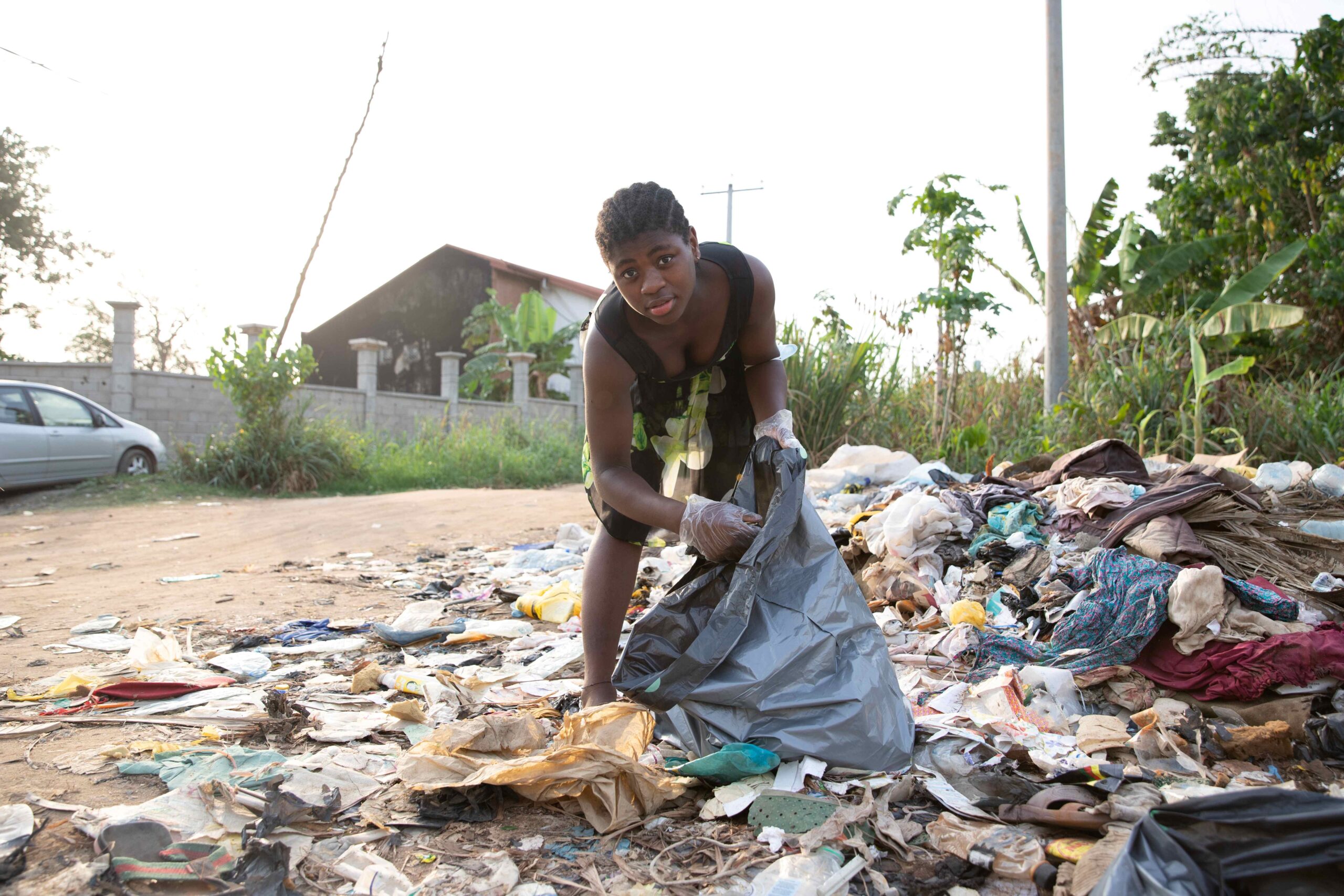
- High tension in community
- Low trust block help
- Medical team cannot enter safely
- Coordination difficult
Aid groups try to support people. Food, water, and medicine delivery are limited. Families are afraid and stressed. The situation is complex; many people need help. Epidemics and closures create difficult environments for humanitarian work.
Lessons for the Future
Closure shows a hard choice for the government. Stopping the virus fast is important. Human rights are important too. Food, water, movement, and dignity are important. Closure creates more problems without proper support.
Experts suggest:
- Better communication with people.
- Faster delivery of aid.
- Community involvement is important.
- Trust is critical for effective health action.
Urban epidemic management needs planning, care, and trust. Lockdown without support creates fear and tension. Support systems like food, water, and medicine are necessary. Communication and community cooperation improve outcomes.
Lessons summarized:
- Community voice part of decision
- Support systems essential
- Trust is as important as medicine.
- Planning for long–term importance
- Early action and communication reduce panic.
Urban epidemics show complexity. Crowded area, many people, weak infrastructure. Disease spread fast, and fear grew fast. Only combination support, trust, and planning reduce harm. Lockdown alone is not enough; it creates additional problems if there is no support.